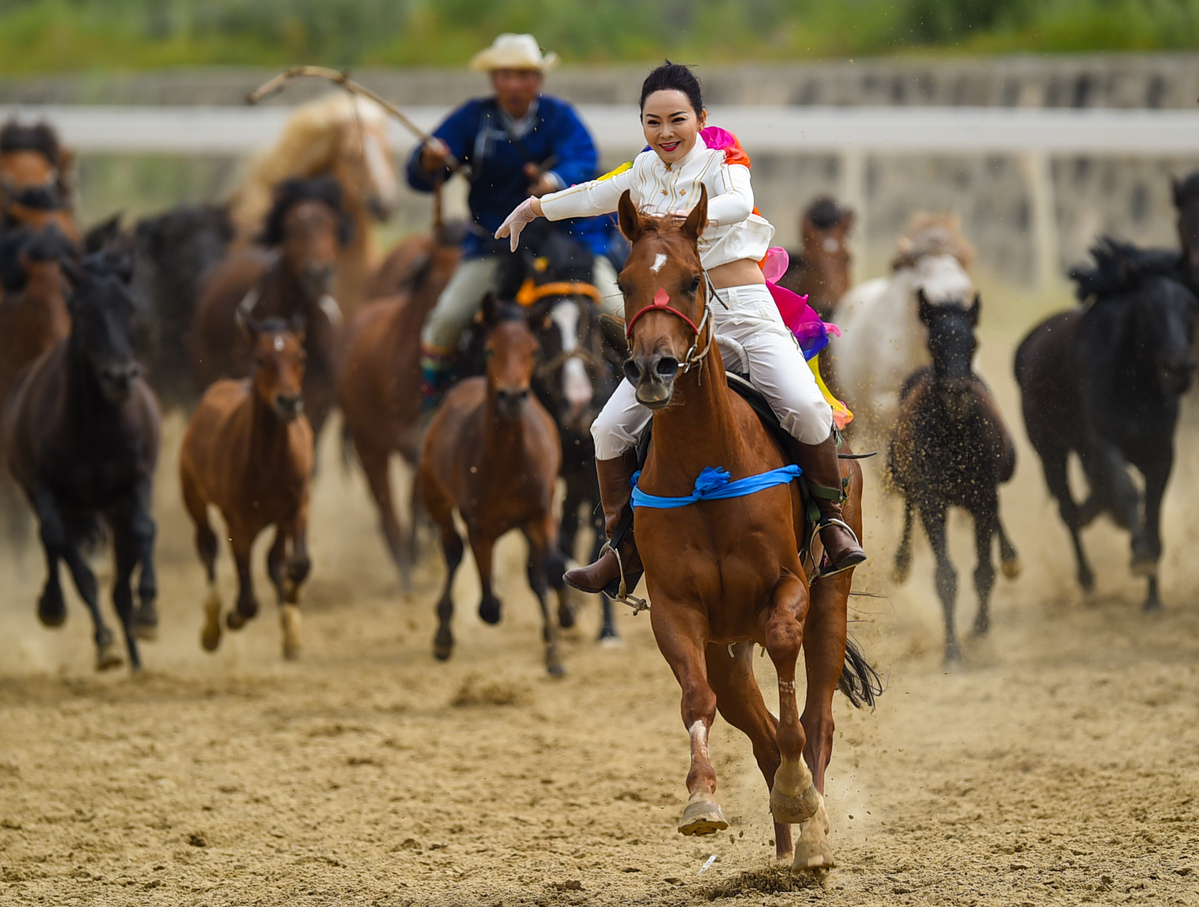
Horse racing
Introduction
Horse racing is a competitive equestrian sport that involves two or more horses ridden by jockeys racing over a set distance. It is one of the oldest and most popular sports worldwide, offering a thrilling blend of speed, skill, and competition. At its core, horse racing is not only a test of the horse's speed and agility but also a showcase of the jockey's skill in maneuvering the horse to victory. This sport holds cultural, economic, and traditional significance in various parts of the world, being celebrated through numerous festivals and events. Horse racing can be categorized into several types, including flat racing, jump racing, harness racing, and endurance racing. Each type necessitates different skill sets from both the horses and the jockeys, along with specific training regimes.
History
The roots of horse racing stretch back to ancient civilizations, where horses were primarily used for warfare, transportation, and farming. The practice of racing horses dates back to at least 4500 BC among the nomadic tribesmen of Central Asia, who first domesticated the horse. In ancient Greece and Rome, horse racing found its place in various public games, notably in the chariot and mounted races held during the Olympic Games. Similarly, horse races were a major feature of the Roman Circus Maximus, attracting large audiences. These early forms of racing laid the groundwork for the development of modern horse racing practices.
Cultural Impact
Horse racing has a profound cultural impact, reflected in its integration into various festivals and traditions. In many regions, horse racing is more than a sport; it is a celebration of heritage and community. Events like the Naadam Festival, which includes horse racing as one of its "Three Games of Men," highlight the cultural significance of the sport. Similarly, horse racing traditions during festivals like the Shoton Festival in Tibet and the Lantern Festival in China emphasize the historical and cultural ties to the sport. These events foster a sense of identity and pride among participants and spectators, preserving horse racing as an integral part of cultural traditions.
Horse racing has been a recurrent theme in popular media, inspiring countless films, books, and songs. The sport's inherent drama and excitement make it an appealing subject for storytelling. Iconic films like Seabiscuit and Secretariat celebrate the triumphs and tribulations of legendary racing horses, capturing audiences with tales of perseverance and success. In literature, horse racing has been featured in novels and non-fiction works, exploring themes of competition, gambling, and the bond between humans and horses. Additionally, horse racing is often portrayed in music, with compositions like the traditional Chinese erhu piece "Horse Racing" embodying the spirit and passion of the sport.








